Rosa Russell · 5 September 2026
Exploring Bioluminescent Innovations in Sustainable Urban Gardening Practices
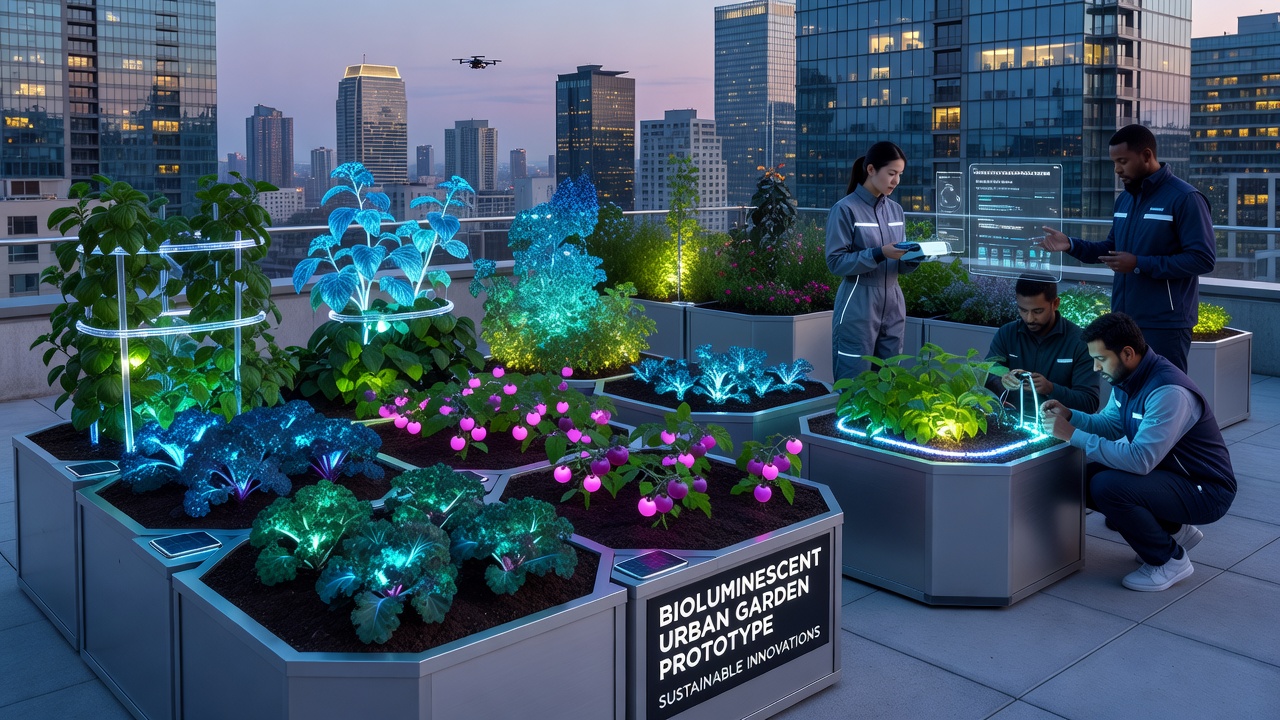
Urban gardening continues to evolve as cities seek methods to reduce energy consumption while maintaining green spaces, and bioluminescent innovations have entered this field through genetic modifications that allow plants to emit light. Researchers incorporate genes from organisms such as fireflies and certain fungi into plant DNA, enabling the production of luciferase enzymes that create visible glow without external power sources. These developments connect directly to broader efforts in sustainable agriculture where data from multiple studies indicate lower electricity demands for nighttime illumination in community gardens and vertical farms.
Mechanisms of Bioluminescent Plant Engineering
Scientists insert luciferin-producing pathways into common urban crops including lettuce varieties and ornamental shrubs, which results in steady light output during evening hours after the plants absorb specific nutrients during daylight. The process relies on metabolic adjustments that convert chemical energy into photons, and experiments conducted at various institutions show that modified Arabidopsis plants maintain growth rates comparable to unmodified specimens under controlled conditions. Observers note that the intensity of the glow varies with temperature and soil composition, yet the systems remain functional across diverse urban microclimates when nutrient levels stay consistent.
Engineers combine these traits with LED alternatives in hybrid setups where glowing plants supplement rather than replace traditional fixtures, and this approach has appeared in pilot projects across several continents. Data collected from field trials reveal that such integrations decrease overall energy use by measurable percentages in enclosed garden structures, while the biological light sources operate silently without generating heat that could stress nearby vegetation.
Applications in Urban Settings
Cities in North America and Europe have tested bioluminescent borders along pathways in public parks, where the natural illumination guides pedestrians and reduces reliance on grid-powered lamps during low-traffic periods. In September 2026 the International Urban Agriculture Conference will include dedicated tracks on these techniques, presenting updated findings from ongoing trials in dense residential zones. Vertical gardens on building facades now incorporate glowing moss panels that provide both aesthetic appeal and functional markers for emergency routes, and measurements from these installations demonstrate consistent performance through seasonal changes.
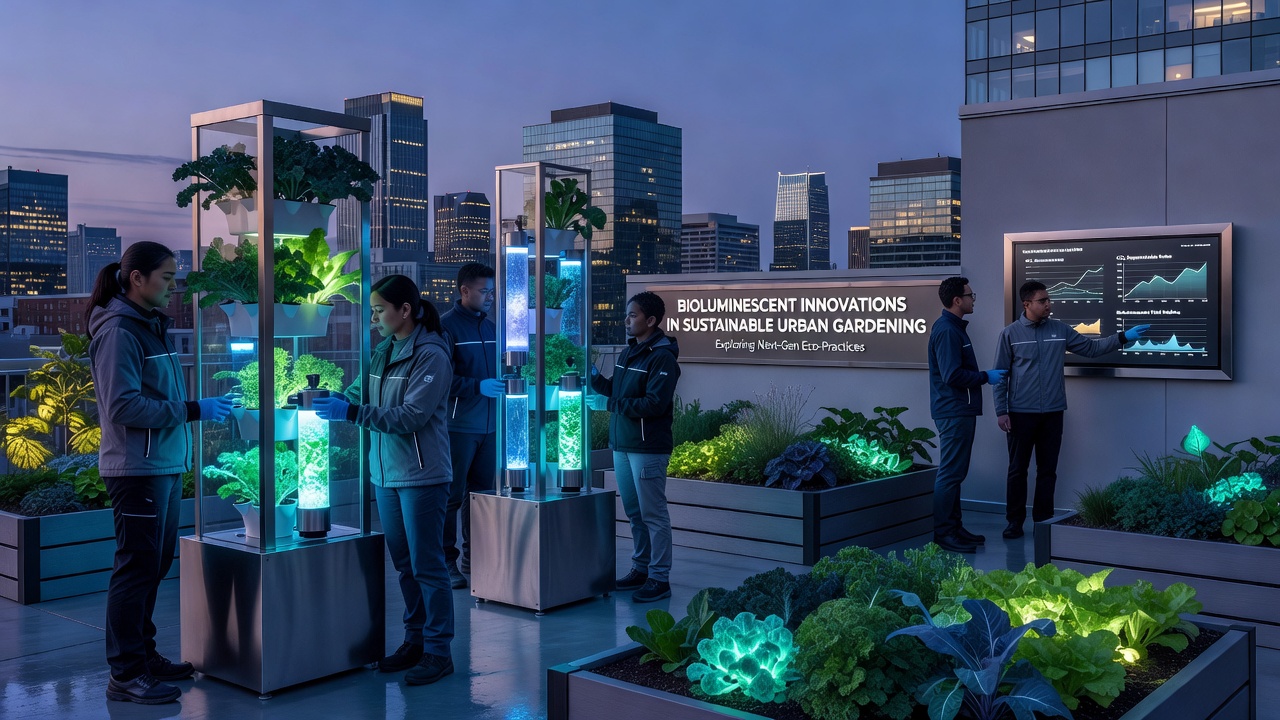
Community groups in Australian suburbs have adopted similar methods for rooftop plots, drawing on research from CSIRO that tracks how bioluminescent traits interact with local pollinator populations. The plants serve dual purposes by attracting nocturnal insects for natural pollination while supplying soft ambient light that supports evening harvesting activities without additional fixtures.
Resource Efficiency and Environmental Metrics
Resource tracking from multiple municipal programs shows that bioluminescent gardens require precise irrigation schedules and soil amendments rich in specific minerals to sustain light production, yet total water consumption remains comparable to conventional urban plots when drip systems are employed. Figures released by the European Environment Agency highlight reductions in municipal lighting budgets where biological light sources cover at least thirty percent of pathway needs in test neighborhoods. Soil health monitoring continues because the introduced metabolic pathways can influence microbial activity, and ongoing studies adjust nutrient formulas accordingly to maintain balance.
Urban planners integrate these gardens into stormwater management designs, where the living structures filter runoff while providing the added function of nighttime visibility. Evidence from Canadian municipal reports indicates that combined bioluminescent and native plant arrangements support higher biodiversity scores than purely ornamental setups, since the light attracts a wider range of species without increasing artificial light pollution.
Challenges in Scaling and Maintenance
Scaling the technology beyond controlled environments demands consistent climate regulation because extreme weather events can interrupt the biochemical reactions responsible for light emission. Maintenance teams must monitor pH levels and trace mineral concentrations more closely than in standard gardens, and this requirement has prompted development of sensor networks that alert growers to imbalances before light output declines. Regulatory frameworks in several regions now include guidelines for genetic containment to prevent unintended spread into surrounding ecosystems, and these rules emphasize physical barriers and periodic genetic testing.
Cost analyses from pilot sites reveal that initial genetic modification and propagation expenses exceed those of traditional seedlings, although operational savings accumulate over multiple growing seasons when energy costs decline. Supply chains for specialized nutrient blends have expanded in response to demand, and distribution networks now reach community gardens in both temperate and subtropical zones.
Conclusion
Bioluminescent innovations continue to integrate into sustainable urban gardening through targeted genetic applications and measured resource management. Research from varied geographic sources documents performance metrics, environmental interactions, and infrastructure compatibility that shape current implementations. As additional data emerge from conferences and field programs scheduled through 2026, practitioners refine protocols to balance light production with ecological stability and energy reduction goals across expanding city landscapes.